
Owning instead of renting
In most marinas you rent a slip. In Baltimore you can also own one. Several marinas in Canton and on Middle River say on their websites that slips can be bought, whether as a membership, through a private club or as slips offered for sale. Ownership can make sense if you plan to keep a boat in the same place for many years, but it is a different kind of purchase from a lease, and the documents behind it matter as much as the slip itself.
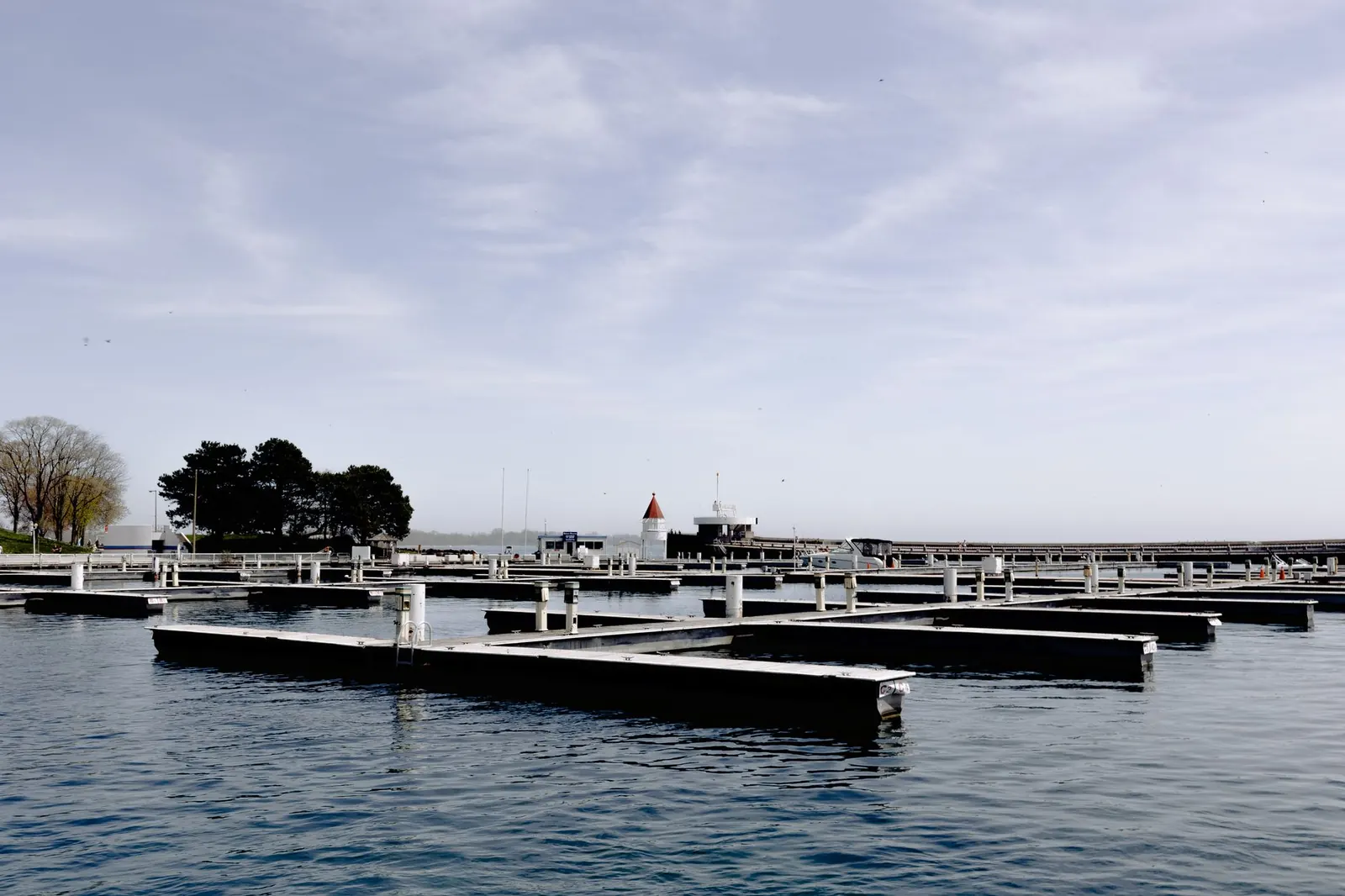
What Baltimore marinas describe
The marinas on our Marinas describe ownership in their own words:
- A membership. One Canton marina offers slip ownership as a membership, so that a member always has a place to dock, alongside day, seasonal and year-round dockage for others.
- A private club. Another Canton marina describes itself as a private club with 30 slips that are available to rent or own, and lists available slips with the contact details of their owners.
- Slips for sale. On Middle River, at least one marina advertises slips for sale as well as annual leases.
These are different arrangements. A membership, a club share and a deeded slip can carry different rights to sell, rent out or use the slip, and different obligations to pay fees and follow rules. Ask which one you are buying.
Tip: Ask for the governing documents before you make an offer: bylaws, rules, the latest budget and any planned repairs to the docks. What you are buying is described in those papers, not in the listing.
Questions to ask before you buy
| Question | Why it matters |
|---|---|
| What exactly do I own? | A membership, a club interest and a deeded slip give different rights |
| What are the yearly fees? | Dock maintenance, insurance, taxes and utilities are often shared among owners |
| Can I rent my slip to someone else? | Some clubs and associations restrict or control rentals |
| What size of boat may use the slip? | Length, beam and depth limits apply to owners too |
| Are major repairs planned? | Dock and bulkhead work can mean special assessments |
| How do I sell later? | Some arrangements need approval or give the club a first right to buy |
Buying from another owner
When slips are sold by their owners, as at the Canton club that lists owner contacts, you are negotiating with a private seller. Contact the marina’s dockmaster or management as well, to confirm the slip’s size, the rules for new owners and whether any fees are outstanding on it. Get the terms in writing and consider asking a lawyer to review the documents.
Renting first
If you are not sure, renting a slip for a season at the marina you are considering is the easiest way to learn how it works: how busy the docks get, how the marina handles problems and whether the water suits your boating. Our guide to Transient, Seasonal or Annual: Choosing a Slip in Baltimore compares the rental options.
The boat still needs its own paperwork
Owning a slip does not change what Maryland requires of the boat. A boat with an engine generally needs a Maryland certificate of number unless an exception applies, such as a valid Coast Guard document, and the state requires a title for a boat principally used in Maryland that must be numbered. The title application is due within 30 days of acquiring the boat. See Registering and Titling a Boat in Maryland.
When fees go unpaid
Maryland law gives anyone who provides wet or dry wharfage or storage to a boat, with the owner’s consent, a lien on the boat for the charges. That applies whether the slip is rented or owned, if the fees are owed to the marina. What happens next is explained in Unpaid Slip Fees and Abandoned Boats: What Maryland Law Says.
Insurance and liability as an owner
Owning a slip can bring responsibilities a renter does not have, such as a share of the cost of insuring and repairing the docks, or rules about how the slip may be used when you are away. Ask the club or association what insurance it carries, what it expects owners to carry and who is responsible if someone is hurt on the dock beside your slip. Your own boat insurer should see the documents too, since coverage can depend on where and how the boat is kept.
If you plan to rent your slip out in seasons when you do not use it, check whether the rules allow it and who handles the rental. Some arrangements leave that to the owner, while others route it through the marina office.
Is it worth it?
That depends on how long you will keep a boat in Baltimore, how much you value a guaranteed spot and how comfortable you are with shared costs and rules. Compare the total yearly cost of owning, including fees and your own money tied up in the purchase, with what an annual lease would cost at the same marina. Then look at the documents again before you decide.