
Key takeaways
- Born on or after July 1, 1972? You need a certificate of boating safety education to operate a numbered boat for pleasure in Maryland.
- Carry it aboard and show it when an officer asks.
- Certificates from other states that meet national criteria, and Coast Guard licenses, are accepted.
- Operators under 16 need a certificate and, in most cases, a supervising adult aboard.
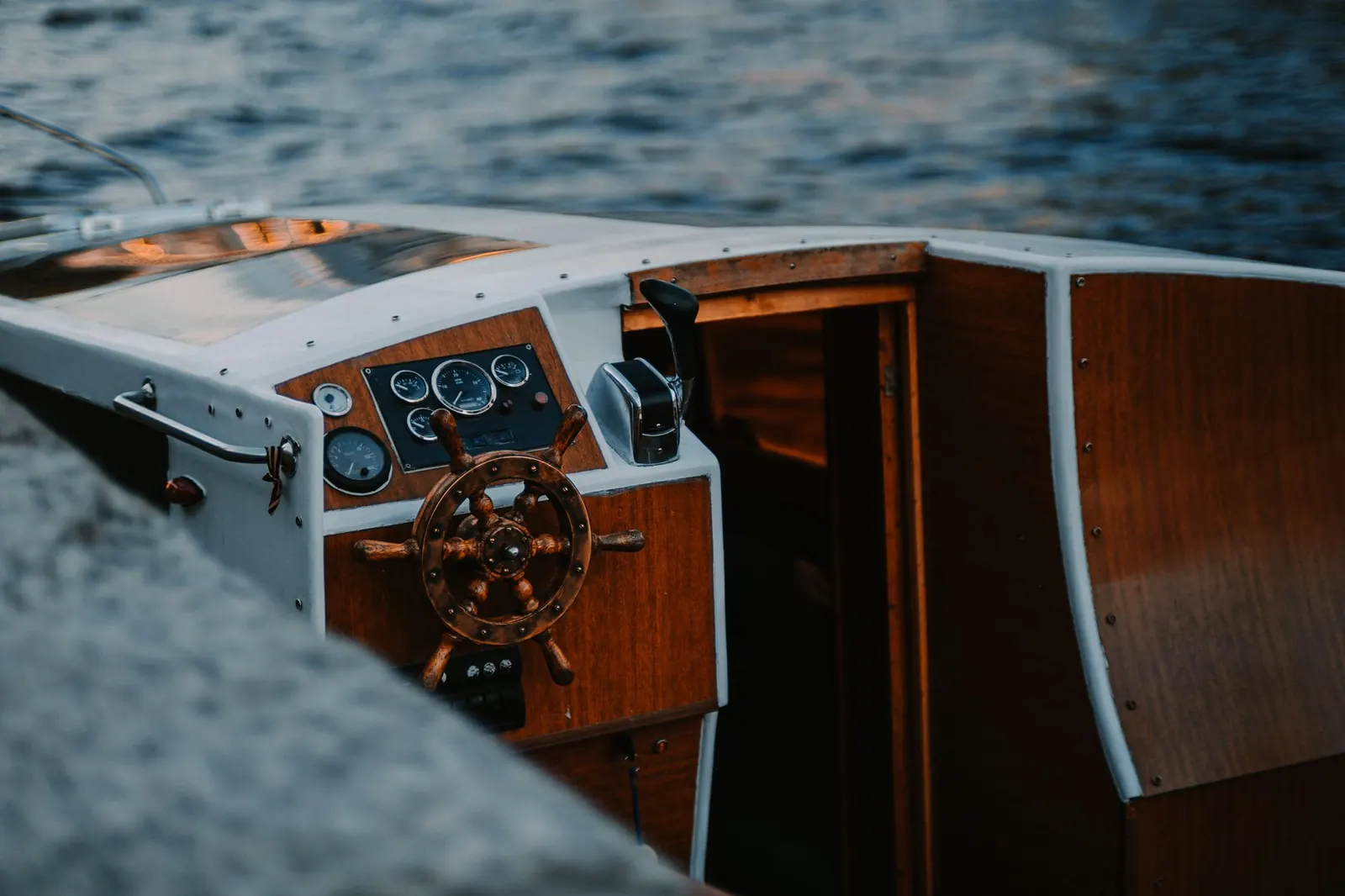
Maryland does not issue a boating license. What it requires instead is a certificate of boating safety education, set out in section 8-712.2 of the Natural Resources Article. Whether you need one depends on your date of birth and the kind of boat you are operating, not on how long you have been boating. This guide goes through the rule as the statute states it.
Who needs a certificate
A person born on or after July 1, 1972 may not operate a vessel for pleasure on the waters of the State without first obtaining a certificate of boating safety education, if the vessel is required to be numbered under Maryland law or under the Federal Boat Safety Act of 1971. In practice, that covers most boats with engines. The person must carry the certificate while operating and show it on the demand of a Natural Resources Police officer or other law enforcement officer.
Who is exempt
- A person operating a vessel in connection with commercial purposes.
- A resident of another state visiting Maryland for 60 days or less in a boat numbered in another state, if the person is 16 or older or holds a certificate that meets national criteria.
- A person visiting for 90 days or less in a vessel from a country other than the United States.
- A person operating on a body of water located on private property.
- Anyone else exempted by Department of Natural Resources regulation.
The law also requires that when a numbered boat is operated for pleasure, at least one person aboard must hold a certificate or be exempt.
Young operators
A person under 16 who operates a numbered vessel must hold a certificate. They must also be supervised, depending on the boat:
| Situation | Supervision required |
|---|---|
| Vessel under 11 feet | A person aboard who holds a certificate |
| Vessel 11 feet or longer | A person aboard who is 18 or older and holds a certificate |
| Either size, alternatively | A person aboard who was born before July 1, 1972 |
Tip: If your children will run the tender around the harbor, check the length of the tender. The supervision rule changes at 11 feet.
How to get a certificate
The statute says the Department of Natural Resources or its designee issues a certificate to a person who passes the course the Department prescribes, or who passes a boating safety equivalency examination given by someone authorized to offer the course. The Department may approve many kinds of course providers, including the Department itself, the U.S. Coast Guard Auxiliary, the U.S. Power Squadron, local governments, schools and other groups. Materials to prepare for the equivalency exam are provided free on request.
How long it lasts
Once issued, the certificate is valid for the holder’s lifetime and may not be revoked by the Department or a court. The Department replaces a lost or destroyed certificate free if it issued the certificate or has a record of one issued by the Coast Guard or the Power Squadron.
Temporary certificates
The Department or its designee may issue a 30-day temporary certificate to a person who signs an affidavit that they have read and understood the Department’s boating safety materials, and it may be renewed for one more 30-day period. It is a stopgap, not a substitute for the course.
What else counts
Instead of a Maryland certificate, the law accepts a license issued by the U.S. Coast Guard, a boating safety certificate from the Coast Guard Auxiliary, the Power Squadron or a local board of education, and a certificate issued by another state under the criteria of the National Association of State Boating Law Administrators.
Penalties
Operating without the required certificate is a misdemeanor. The statute sets a fine of up to $25 for a first offense and up to $500 for a later offense within two years of a prior conviction. It also says officers may enforce the requirement only as a secondary action, when they have stopped the operator for a suspected violation of another law, and that a person may be cited but not arrested solely for this violation.
Before your first season in Baltimore
Take the course before you sign for a slip, not after. Then check the other paperwork the boat needs in Registering and Titling a Boat in Maryland and the equipment rules in Life Jackets and Required Safety Equipment for Recreational Boats.